
Urban noise pollution can disrupt concentration and negatively impact the comfort and well-being of remote workers, especially in apartments. Furthermore, noise is often a source of stress, fatigue, and anxiety. That’s why soundproofing is an essential solution for optimizing acoustic comfort. In practical terms, how do you soundproof a room? Here are some effective solutions to restore peace and quiet in your home.
The Basics of Soundproofing
Understanding Sound and Noise Pollution
The principle of sound propagation
To identify the best solutions for optimizing acoustic comfort, it is first necessary to understand the principle of sound propagation. Sound travels through the air in the form of sound waves. By acting on these waves, we can block or reduce noise. For example, the soundproof curtain at soundproof is an effective way to absorb sound waves.
Common sources of noise in urban housing
In urban homes, noise can come from various sources, including neighbors (footsteps, voices, or the sound of appliances), the street (cars, construction, pedestrians, etc.), and household appliances (washing machines, refrigerators, etc.). To reduce this noise pollution, particularly that coming from outside, soundproof curtains have proven to be an effective solution.
The Importance of a Preliminary Analysis of Noisy Areas
To learn how to soundproof a room, it’s importantto first identify the noisy areas. This will help you determine the most appropriate solutions, as well as which areas should be addressed first.
Factors to Consider for Effective Soundproofing
Here are the key factors to consider for effective soundproofing:
- the nature of the noise;
- the materials already in the room;
- the budget and space constraints.
The nature of noise
Noises can take various forms. They are generally classified as high-pitched noises, such as whistling or screeching; low-pitched noises, such as vibrations; and intermittent or constant noises . Note that high-pitched noises are generally more difficult to control than low-pitched noises.
The materials currently in the room
The materials in the room can also affect soundproofing. For example, hardwood floors and tile floors tend to cause more reverberation. In addition, single-pane windows and thin walls provide much less insulation than double-pane windows and concrete walls.
Budget and space constraints
Budget isanother important factor to consider, as soundproofing solutions can vary greatly in cost. Similarly, if your space islimited, you’ll need to make compromises, as some soundproofing work can reduce the living area.
Cost-effective solutions for soundproofing a room
Want to know how to soundproof a room? Here are some affordable yet effective solutions:
Thick rugs and carpets to absorb noise
Benefits of carpets
Rugs and carpets are valued for their ability to absorb impact noise. They can also reduce airborne noise. Note that the denser and thicker they are, the more effective they are.
Choice of materials
Rugs and carpets are available in a variety of materials, but for the best performance, choose models made of wool, cotton, or acoustic foam.
DIY Tip: Use existing rugs and add an insulating underlay
To enhance the effectiveness of your existing carpets, you can also use them with an insulating underlay. Thiscan be made of rubber or acoustic foam. In addition to improving sound insulation soundproof, this technique will also improve thermal insulation.
Soundproof curtains and sheers
Introduction to acoustic curtains
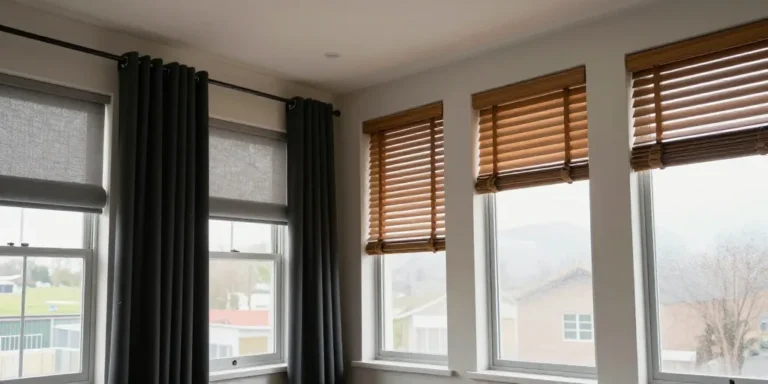
Soundproof curtains are made from heavy, thick materials such as velvet, cotton, or jacquard. Thanks to their special design, they are able to absorb outside noise.
Comparison of affordable brands or products
Cotton Silence Pro is one of the leading acoustic experts offering effective soundproof curtains on the market. Our solutions are innovative, aesthetically pleasing, and environmentally friendly. In addition, a team of professionals can handle the installation to ensure a flawless finish.
Quick installation without drilling: adjustable rods
Soundproof curtains have the advantage of being easy to install. All you need to do is set up some adjustable rods. They don’t require drilling into the walls, which makes them very convenient.
Additional tips for optimal sound quality
So, how do you soundproof a room? These tips will help you achieve optimal acoustic comfort.
Creating a pleasant acoustic environment
Furniture arrangement to minimize reverberation
To improve the room's acoustics, you can rearrange your furniture. For example, it's a good idea to place the sofa, bookshelf, and dresser along the walls to better absorb sound.
Adding absorbent plants
If you love plants, feel free to add them to different areas of your home. Choose plants with thick leaves, such as palm trees, as they are effective at absorbing sound.
Maintenance and continuous improvement of soundproofing
Regular inspection of seals and insulation
For better soundproofing, be sure to check the seals on your doors and windows, as well as the insulation, on a regular basis. This will help you prevent sound leaks and take action quickly if necessary.
Tailoring solutions to meet changing needs
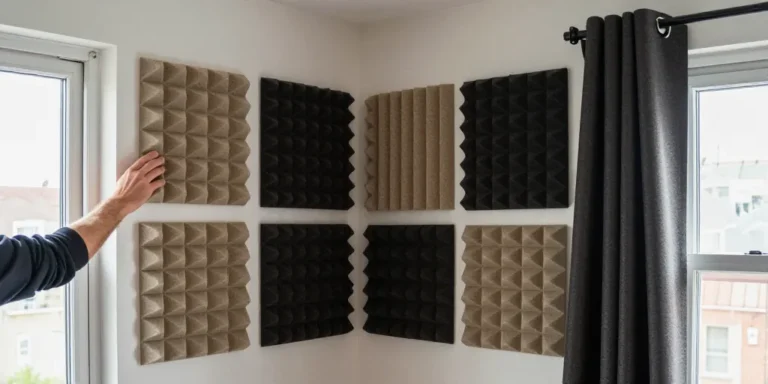
It’s important to always adapt your acoustic solutions as your needs change. For example, if you’re planning to set up a larger space in your apartment for work, consider installing acoustic panels to create an environment that’s more conducive to concentration.
Innovative solutions for optimal soundproofing
Introduction to Cotton Silence Pro
Cotton Silence Pro: Specialist in modern acoustic solutions
Cotton Silence Pro specializes in modern, high-performance acoustic solutions. We offer soundproof curtains made from recycled materials, as well as custom solutions for your walls, doors, and windows. Our team is committed to providing you with top-of-the-line products.
Products Offered
We offer a complete line of soundproof curtains that are both stylish and effective. They provide noise reduction of up to -31.4 dB at high frequencies. Plus, they’re eco-friendly.
Key strengths
Our soundproof curtains offer a number of benefits. First, they are very easy to install. This makes them suitable for any application and easy for non-professionals to put up. In addition, they are made from recycled materials, in line with our commitment to sustainability. Finally, their modern design makes them a perfect fit for minimalist interiors.