In brief: Noise regulations and noise pollution
- 📜 Public Health Code (Art. R1336-4 et seq.): limits noise levels based on usage, area, time of day, and type of activity.
- 🌙 Strict action thresholds: +5 dB(A) during the day (7 a.m.–10 p.m.), +3 dB(A) at night (10 p.m.–7 a.m.) above background noise.
- ⚖️ Penalties and remedies: noise level measurements, potential formal complaints, mediation, fines, and penalty payments for continued noise violations.
It’s impossible to balance work, a quiet neighborhood, dining out, and dog care without managing noise levels. Whether you’re a business owner, a concert hall operator, or in charge of an open-plan office, the maximum decibel limit
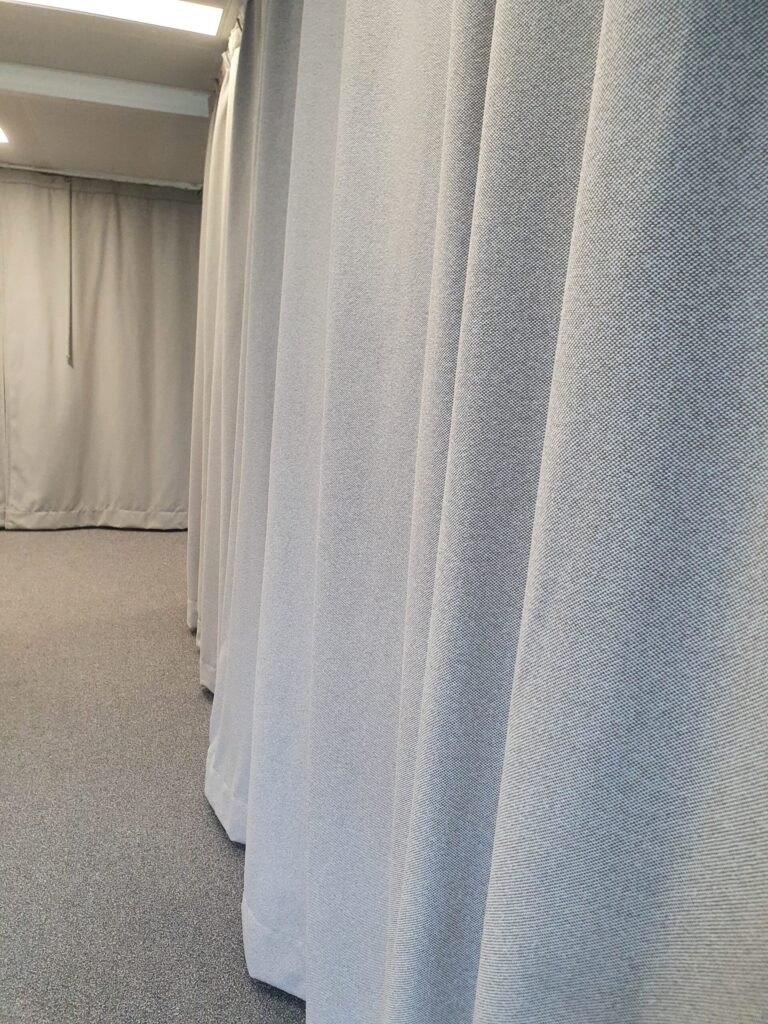
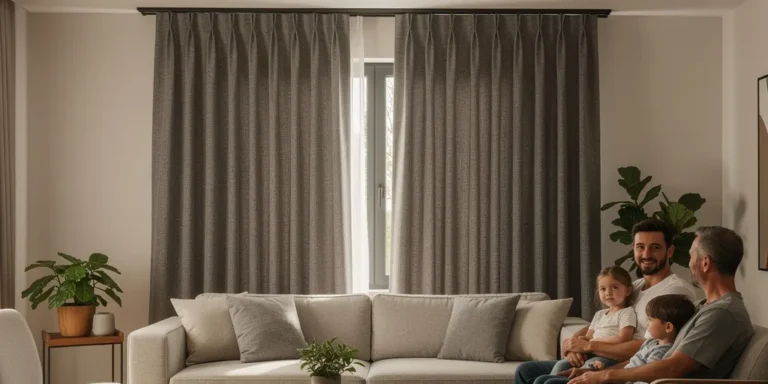
The maximum noise level allowed in the neighborhood can be a real headache, especially when the sound of power tools or the heat pump kicks in at coffee time. Sometimes, an acoustic curtain or sheer curtain can be more than enough.
Regulations on noise levels in the neighborhood
The Public Health Code, specifically Articles R1336-4 and following, sets forth the requirements for limiting noise pollution, whether it stems from a business, a professional activity, or a particularly vocal animal. The legal texts distinguish between different types of noise, taking into account duration, time of day, sound intensity, and exposure to noise, to set different limit values depending on the area and time of day. You could therefore protect yourself with a soundproof curtain.
The Ministry of Ecological Transition, in collaboration with local prefectures, oversees implementation and may grant certain regulatory exemptions by administrative order. As a result, the National Noise Council and municipal police ensure that noise prevention always goes hand in hand with neighborhood peace and quiet, even during noisy construction work or nighttime deliveries.
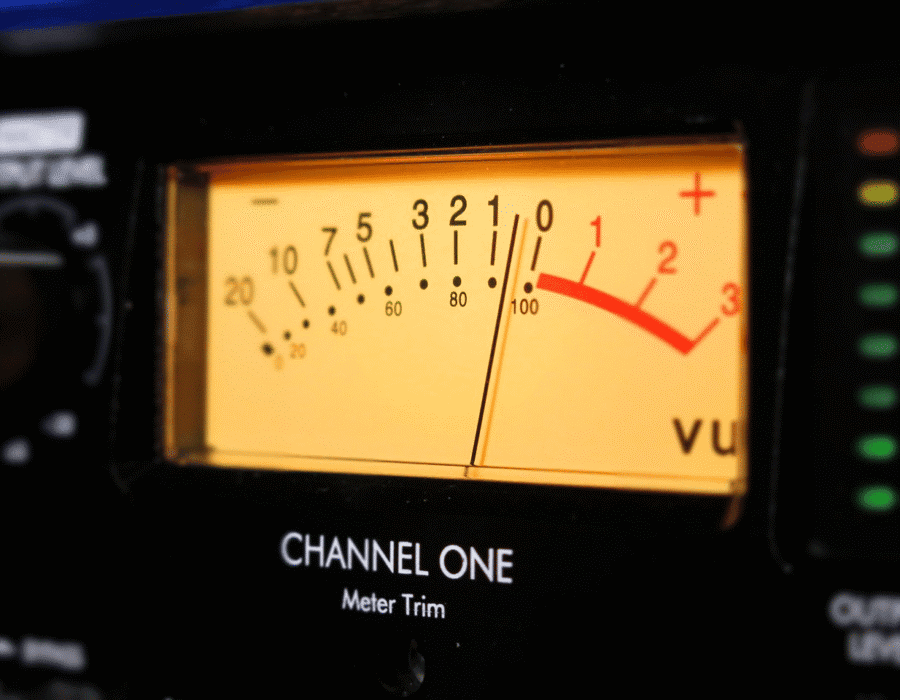
- The key to this regulatory framework is the concept ofsound level measured in decibels (dB(A)), which distinguishes ambient noise from the noise in question.
- Regulations do not stop at the door of residential buildings; they also apply in every workplace, every open-plan office, every performance hall, and every laboratory, depending on the use of the premises and the nature of the activity.
The distinction between residential and commercial areas allows for adjustments to the permitted noise limits, as a building housing a workshop is not subject to the same regulations as a residence on Lilac Street. In short, the law adjusts the maximum permitted decibel level based on the type of environment to balance professional activities, acoustic comfort, and respect for nearby residents.
Permitted decibel limits, time periods, examples, and required values
The noise limits vary depending on the time of day, distinguishing between daytime and nighttime noise. During the day, from 7 a.m. to 10 p.m., the limit is set at 5 dB(A) above the ambient noise level, which allows people to work, hold a team lunch, or operate equipment without risking an immediate fine.
At night, from 10 p.m. to 7 a.m., the threshold is lowered: a noise level increase of just 3 dB(A) is enough to constitute a violation and to wake up (and prompt a call from) the neighbors. These values are always assessed based on precise measurements because every decibel counts when it comes to acoustic peace and quiet.
The key difference between ambient noise and intrusive noise lies in the measurement method. First, the sound level of the location is measured without the source of the disturbance, and then during the suspected noise disturbance. A ventilation system that is too loud, a vocalizing animal, a gym in operation at 6 a.m.—every object or piece of equipment is subject to usage rules established by law. To avoid penalties, it is best to refer to the decibel scale and monitor the noise exposure of both employees and neighbors.
| Time slot | Maximum permitted emergence | Example scenario |
|---|---|---|
| Daytime (7 a.m. – 10 p.m.) | 5 dB(A) | Offices and stores open |
| Night (10 p.m. – 7 a.m.) | 3 dB(A) | Warehouse, nighttime activity |
Professional equipment—from heat pumps to machine tools—must therefore take this factor into account, lest it turn the adjacent room into a courtroom. Whether it’s parties held on the premises, construction work, late or repeated deliveries, or even untimely barking in the lobby, each situation has its own regulatory threshold. The duration and frequency of the noise, the type of equipment, and the time of day can make all the difference. In each case, compliance with the authorized threshold ensures peace and quiet for every resident, in every type of location, and for every professional activity.
Exceptions, special cases, and frequently inspected equipment
The Public Health Code allows for certain exceptions to the rule in cases of necessity, exceptional circumstances, or at the request of a local authority. Noisy household appliances, air conditioning systems, amplified music, musical instruments, and industrial fans are on the list of devices monitored by the municipal police.
Restaurants, nightlife establishments, and businesses organizing a special event may obtain a temporary permit, subject to specific conditions, through a municipal or prefectural order.
Construction sites, concerts, neighborhood festivals, or one-time deliveries are other situations often regulated by the National Noise Council or the prefecture, with strict time limits and sound pressure levels that must be observed. It is up to each organization to verify that the regulations apply to their specific situation and to notify neighbors and local residents in the event of temporarily noisy activities. Without this precaution, the resulting disturbance, abnormal neighborhood disruption, or noise exposure could lead to intervention by the judicial officer, or even a significant fine, for non-compliance with the code.
Did you know? In France, occupational or neighborhood noise must not exceed a sound level of 5 dB(A) above the usual background noise during the day between 7 a.m. and 10 p.m., and 3 dB(A) above the usual background noise at night between 10 p.m. and 7 a.m. For this difference to be considered a nuisance, ambient noise must already reach at least 25 dB(A) in living areas. These thresholds are defined by the Public Health Code and measured using an approved sound level meter.
Steps to take in the event of noise pollution or a violation
In the event of proven noise pollution, the first step is to collect solid evidence, measured using a sound level meter calibrated to the relevant standard. This allows for a precise assessment of the sound intensity at the exact moment the disturbance occurred, enabling a distinction to be made between ordinary ambient noise and higher noise levels. It is important to meticulously record the dates, times, duration, and type of noise, detailing each period and each device involved.
Depending on the severity of the situation, the involvement of a bailiff, judicial officer, or municipal police officer is often necessary to formally document the disturbance and give legal weight to the report. They have certified equipment for measuring noise levels, whether in a neighboring residence, a condominium, or a commercial building. The evidence gathered forms the case file that will be used, if the noise persists, to initiate proceedings with the relevant authorities and request enforcement of the regulations regarding the maximum permitted decibel level.
| Step | Description | Contact person or organization |
|---|---|---|
| Noise Assessment | Noise level measurement and evidence collection | Tenant, neighbor |
| Mediation | Attempt at an amicable resolution | City Hall, mediation association |
| Report | Filing a complaint or making an official report | Municipal Police, Prefecture |
Available remedies and support for professionals
If the noise disturbance persists, even after an initial attempt at an amicable resolution, there is a wide range of legal remedies available to ensure compliance with regulatory limits. Mediation by a judicial conciliator, a consumer association, or the local city hall is often effective in restoring peace and quiet in the neighborhood, especially in condominiums. If necessary, legal action becomes unavoidable, and a registered letter—or even an official report—can be sent to the police or the prefecture.
The complaint may result in a hearing for the source of the noise or in enforcement measures, including the imposition of a financial penalty or a temporary suspension of operations if the residence or establishment violates the regulations. The employer, the condominium association, or the local government must therefore ensure effective preventive measures to limit legal risks and guarantee compliance with standards regarding hearing and acoustic protection.
Penalties and preventive measures for professionals
If noise pollution exceeds the limit, the perpetrator may face a fixed fine, civil litigation, or even a criminal penalty, especially in cases of repeat offenses or noise levels that pose a health hazard to the public. Professionals are implementing a variety of solutions to limit noise impact: installing partitions and acoustic panels or adjusting schedules, adopting responsible behavior, and raising employee awareness about acceptable noise levels.
Training on acoustic treatment, the distribution of hearing protection, and the redesign of workspaces are strongly recommended to reduce noise exposure and protect everyone’s hearing. Prevention is better than cure: a sound acoustic plan, appropriate soundproof insulation, and regular updates for nearby residents help anticipate any risks to public peace and quiet and prevent a snowball effect of noise disturbances and repeated complaints.

Cotton Silence Acoustic Sheer Curtains and Drapes: Elegance and Silence, Finally Combined
Want to transform your space? Cotton Silence ’s acoustic sheers and curtains are the perfect solution! Combine sound insulation with sophisticated design for all your rooms, offices, hotels, or restaurants. Thanks to innovative technology, our acoustic sheers and curtains offer optimal noise absorption without compromising interior elegance.
Faciles à installer, performants, respectueux de l’environnement, ils transforment chaque espace en havre de paix. Les avis clients confirment : plus de confort, moins de nuisances sonores ! Bénéficiez de conseils sur-mesure et faites confiance à Cotton Silence pour un quotidien vraiment apaisé.
Our FAQ on the maximum permitted noise levels for neighbors
What is the permitted noise level between neighbors?
During the day, the noise nuisance threshold for neighbors is set at a noise level exceeding 5 decibels (dB), while at night it is 3 dB, according to noise regulations and the Public Health Code. These values apply to noises perceived as an abnormal noise nuisance.What is the acceptable noise level for neighbors in decibels?
According to the Public Health Code, the acceptable noise level for neighbors is 35 to 40 dB inside a residence during the day. The tolerance threshold is lower at night: any sudden increase in noise exceeding 3 dB above the ambient noise level may be considered a noise nuisance.Is 42 dB loud?
A sound level of 42 dB isn’t particularly loud during the day, but in a bedroom at night, that noise can quickly become a nuisance. It all depends on the type of activity, the room, and the time of day: how loud a sound feels varies depending on the acoustic environment.When can you complain about noise from neighbors?
You can complain about noise from neighbors in cases of excessive disturbance, especially if the noise level exceeds legal limits, disrupts your peace and quiet, or interferes with your sleep. Noise regulations protect public health and the right to peace and quiet. Noise at night or repetitive noise: these are the grounds for filing a complaint.What is the noise limit for neighbors?
The noise limit for neighbors varies by time of day: 5 dB above background noise during the day, 3 dB at night. These values are defined by noise regulations, in accordance with the Public Health Code and municipal ordinances on noise pollution and neighborhood noise.How can I record noisy neighbors as evidence?
To record noisy neighbors as evidence of noise pollution, use a smartphone or a voice recorder, and note the time, duration, and type of noise. Rely on the measured decibel levels, then submit this information to the appropriate authority (police, bailiff, judge) in the event of legal proceedings or a complaint.