
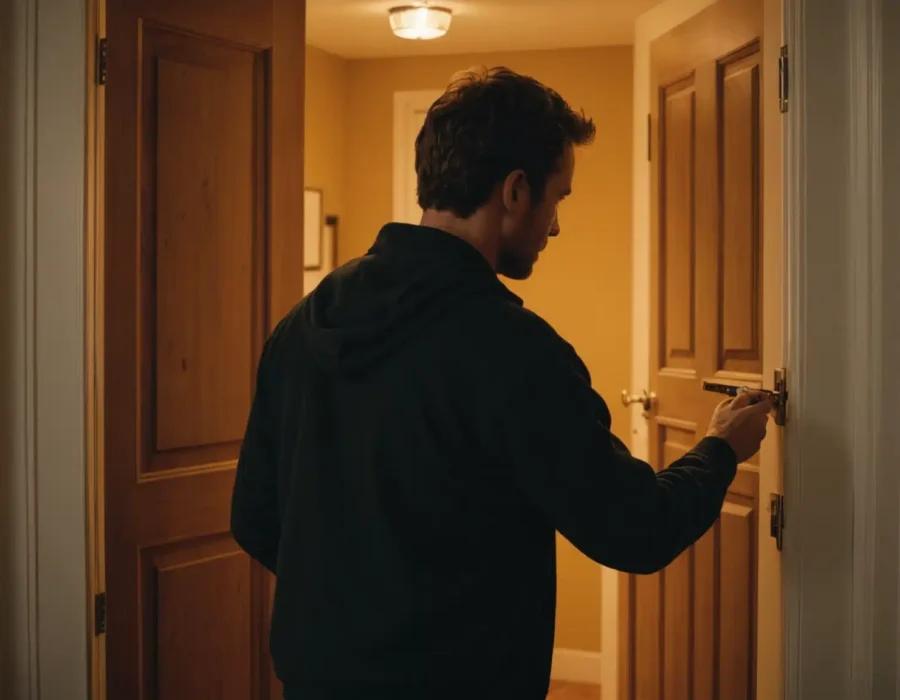
You know, for us, the issue of noise coming through an interior door is something we always take seriously. We’ve all had those moments when we just want a little peace and quiet in a room, away from the noise in the house orapartment.
Do you ever find yourself wondering, “Why do sounds always seem to seep through that keyhole or that tiny gap at the bottom of the door?” We asked ourselves that question a thousand times before finding the solutions that finally provide the sound insulation soundproof you’ve been waiting for. You can even use an acoustic curtain as an additional .
The principles of truly effective door soundproofing
Before you get started, ask yourself: Is your interior door really letting all the noise through?Or is it the wall, the ceiling, or the window? Let’s take a look together at what makes all the difference when it comes to improving soundproofing soundproof and finally putting an end to that noisy environment that’s ruining your life. You can even take it a step further by choosing a soundproof curtain soundproof.
soundproof, a simple and effective solution for door insulation
When it comes to soundproofing a door—especially an interior door leading to a noisy room— soundproof curtains offer a solution that is effective, attractive, and affordable. At Cotton Silence, our models combine sound and thermal insulation thanks to a multilayer construction: foam, insulating materials, panels, and sometimes even rock wool.
Whether mounted on the wall or installed directly in the doorway, the curtain creates a sound barrier against noise, especially when hollow-core doors are no longer sufficient. When used in conjunction with a door seal, a door draft stopper, or a door block, it reduces sound transmission by up to 30 dB. It is an ideal choice for any home, particularly in energy-efficient renovations.
Easy to install, it fits any budget and provides noticeable acoustic comfort in everyday life. A product designed to transform any interior space into a quiet, secluded haven.
Why do we want " soundproof " insulation?
Let’s be honest: who wants a room where you can hear every footstep in the hallway and every raised voice behind the door? We’ve been there, and frankly, there’s nothing worse for your quality of life. Soundproofing a door then becomes a no-brainer: less noise pollution, more comfort within our living space. Being heard without having to repeat yourself, enjoying the silence—that’s also adding value to your home. And you, what would you say if your door finally offered that much-sought-after peace and quiet? Isn’t that what true acoustic comfort is all about?
We’ve all noticed that when renovating, an insulated door increases the value of your home. Have you thought about that? The market demands it: those looking to sell or invest know that interior soundproofing is a big hit with potential buyers.
soundproof , or thermal insulation—do you know the difference?
Many of us still confuse the two: “My door lets noise through, so I need better thermal insulation.” And yet, noise and heat don’t travel the same way! Thermal insulation retains heat, while acoustic insulation provides optimal blocking of sounds coming from the hallway, the street, or another room. Several materials are available for soundproofing interior doors: acoustic foam, glass wool, expanding foam, rock wool, acoustic panels, heavy curtains, and even solid-core doors or insulated door units.
By the way, have you tried using mineral wool or acoustic panels? Each has its own specific use, depending on whether it’s for a wall, a floor, or a front door or bedroom door. Do you notice the difference in your daily life?
Before you start the work, have you thought about…?
We tend to rush into things… and then regret it later. Before installing your new insulation soundproof, check the type of door: Is your interior door made of solid wood, a hollow-core door, or a solid-core door? Are there any uneven areas, loose joints, or a damaged threshold? In our case, we had to start all over after installing expensive products on a door that was too flimsy or even damaged. Have you set a budget? There are plenty of tips out there, but you might as well get it right: from a basic insulation kit soundproof to a high-end acoustic door panel, it all comes down to your priorities and the desired result. In short, tailor the solution to your specific needs.

What are some truly effective techniques for soundproofing an interior door?
When it comes to making your home quieter, it can be hard to know which insulation solution to choose. We’ve tested quite a few techniques here. Some we’ve tried three times. Others we’ve adopted for good. Ready to see how, together, we can make your door more soundproof?
Door insulation: What if your door could finally block out noise?
Who hasn’t placed their hand on a padded door and felt the noise drop instantly? In our home, this technique saved a noisy playroom right next to the living room. All you need to do is add acoustic foam or even insulation panels to the inside frame of your door. Not only does the padding improve soundproofing, but it also adds a touch of character to your home. Not sure which materials to use? Take a look at what it looks like in practice:
| Material | Sound insulation level (dB) | Approximate cost |
|---|---|---|
| Acoustic foam | 20–30 dB | Moderate |
| Cork panels | 15–25 dB | High |
Can you picture it in your home? In our house, even a padded hollow-core door transforms the atmosphere of the room: every distant sound fades away as if by magic.
Have you thought about caulking around the door?
Noise loves to sneak in through the tiniest openings. And the door frame, the threshold, the lock—have you ever tried running your hand along them? Can you feel the draft? That’s noise inviting itself into your home! We’ve all hesitated when faced with those weatherstrips or adhesive strips… and yet, they make all the difference. A simple, effective, and inexpensive tip that takes just ten minutes to install—stopwatch in hand. By the way, which material should you choose? Take a look at these alternatives:
| Product | Sound efficiency | Price |
|---|---|---|
| Silicone gaskets | Medium | Bottom |
| Sealing strip | High | Moderate |
We also like to add a door draft stopper or a weatherstrip to finish the job. Who would have thought that this little soft block could reduce noise and heat loss so much with such a quick installation?
soundproof 's door insulation kits—are they right for your needs?
Do you, too, often find yourself looking for a solution that’s easy to install without calling in an expert? We tested the “ soundproof ” insulation kits offered by various brands. The verdict: they fit virtually all interior door models and provide insulation that’s already highly effective. The advantage is that you don’t have to break the bank to achieve noticeable acoustic comfort. Have you tried them yet? When it comes to energy-efficient renovations, these kits make all the difference in reducing echoes in the family home…
Any tips for improving soundproofing in everyday life?
Sometimes, it only takes a small thing to make a big difference when it comes to soundproofing a door. We’re not going to overhaul the whole place from top to bottom, so we’re sharing with you what worked best for us. Can you guess which tip blew the whole family away?
Do heavy curtains or rugs have an unexpected impact on noise?
Do you also like to give an interior door a makeover with heavy curtains? Let’s be honest—for us, it’s as much about aesthetics as it is about soundproofing. We love seeing how a simple, thick curtain eliminates that unpleasant feeling of “hearing everything from the living room.” Have you tried it? Place soundproof curtains or a thick rug right in front of or behind the door, and the effect is truly amazing.
Émilie, a young mother living in an apartment, told us: “Before I soundproofed my bedroom door, even the slightest footstep in the hallway would wake me up. But since I installed a soundproof curtain and a door seal, it’s been quiet. Even my kids are sleeping better!”
And maintenance—do you think we can do without it?
We sometimes forget that even the best systems wear out: your seal comes loose, your acoustic foam loses its volume… As we can see, without regular maintenance, all our efforts go to waste. A little maintenance (replacing the foam strip, checking the edges, installing a new seal) can restore the entire system’s effectiveness. Who wants to deal with noise again after just having enjoyed the silence?
- Are you looking for the best value for your money when insulating an interior door? Why not compare the insulation kits and materials available on the market soundproof based on your actual needs?
- Think about installation: have you measured your door and found the model that’s perfectly suited to the space and the type of noise?
- Looking for a custom solution? We can also combine acoustic panels, curtains, weatherstripping, and insulated door units for professional-grade soundproofing.
What if we combined these solutions: the secret to successful “ soundproof ” insulation?
It can’t be said often enough that success is often a matter of balance. Combining materials, adding a heavy curtain, installing a new seal… We’ve found that this is where the magic happens: reduced noise, thermal comfort, and a sense of calm restored. And you—are you ready to bring some peace back into your daily life with just a little bit of organization?
Our solutions for soundproofing an interior door
How do you soundproof an interior door?
There are several ways to soundproof an interior door: acoustic curtains, panels, insulating foam, or a solid-core door. Add a weatherstrip around the door frame and a door draft stopper at the bottom to minimize sound leakage. Installation is simple, and it improves the acoustic comfort in the room. For better insulation soundproof, opt for insulating materials such as rock wool or solid wood.
How can I stop a door from making noise?
If your door squeaks or lets in noise, start by installing a soundproof seal and checking the frame. An interior door that’s properly insulated with a soundproof curtain, acoustic foam, or a soundproofing kit can help reduce noise. Also consider sealing the bottom with a door draft stopper. This small addition makes a big difference in your daily life by improving the acoustic comfort of your home.
How can I soundproof an existing door?
An existing door can be soundproofed easily. Attach acoustic panels to the interior surface, add a door curtain, seal any holes, and install weatherstripping. For best results, choose materials such as mineral wool, solid wood, or acoustic foam. This process is quick, improves sound quality soundproof, limits noise transmission, and makes the interior space quieter. A simple and effective tip.
How can I soundproof a hollow interior door?
A hollow-core door often lets noise through. To soundproof it, apply acoustic foam, an insulating panel soundproof, or padding. Complete the setup with a curtain soundproof, weatherstripping, and a door bottom seal. You’ll immediately notice the difference in the room’s comfort. These simple and affordable improvements reduce noise levels and enhance your home’s sound insulation. A solution tailored to your budget.
What is the best insulation— soundproof —for a door?
The best insulation soundproof depends on the type of door and your needs. For an interior door, rock wool, acoustic foam, and wood-fiber panels offer excellent results. Combine them with an acoustic curtain and weatherstripping to improve soundproofing. When choosing insulation materials, you should also consider installation, thickness, and cost. A solid-core, well-insulated door is an effective solution for optimal acoustic comfort.
How can I improve the insulation soundproof of my door?
To improve the sound insulation soundproof of your door, start by reinforcing the seals and installing a curtain soundproof. Installing acoustic foam, insulation panels, or using a solid-core insulated door increases effectiveness. Proper insulation reduces noise pollution, improves living comfort, and minimizes outside noise. Whether you live in an apartment or a house, every little detail counts when it comes to soundproofing an entryway or a noisy room.