
In short, behind-the-scenes insulation
- Interior insulation transforms the atmosphere: warmth in winter, enveloping silence, lower energy bills, and a more comfortable life—even when the wind blows.
- Choosing materials is a whole other story: strength, thickness, thermal break; every wall has its own character, every material its own quirks and surprises… and the planet hangs in the balance.
- Renovating an older home is no walk in the park: whether it’s pro tips, compromises on space or budget, every project is unique; nothing can replace the importance of careful workmanship or the desire for a cozy home.
Bringing back silence, a velvety atmosphere, a touch of sustainability… It all starts with the idea of insulating your walls from the inside. Yes, close your eyes and imagine the warmth that doesn’t escape at the slightest breeze, or, when summer comes, the cool air that stays put… With a single gesture, everyday life becomes more comfortable. No more echoing rooms, outside noise, or looming energy bills.
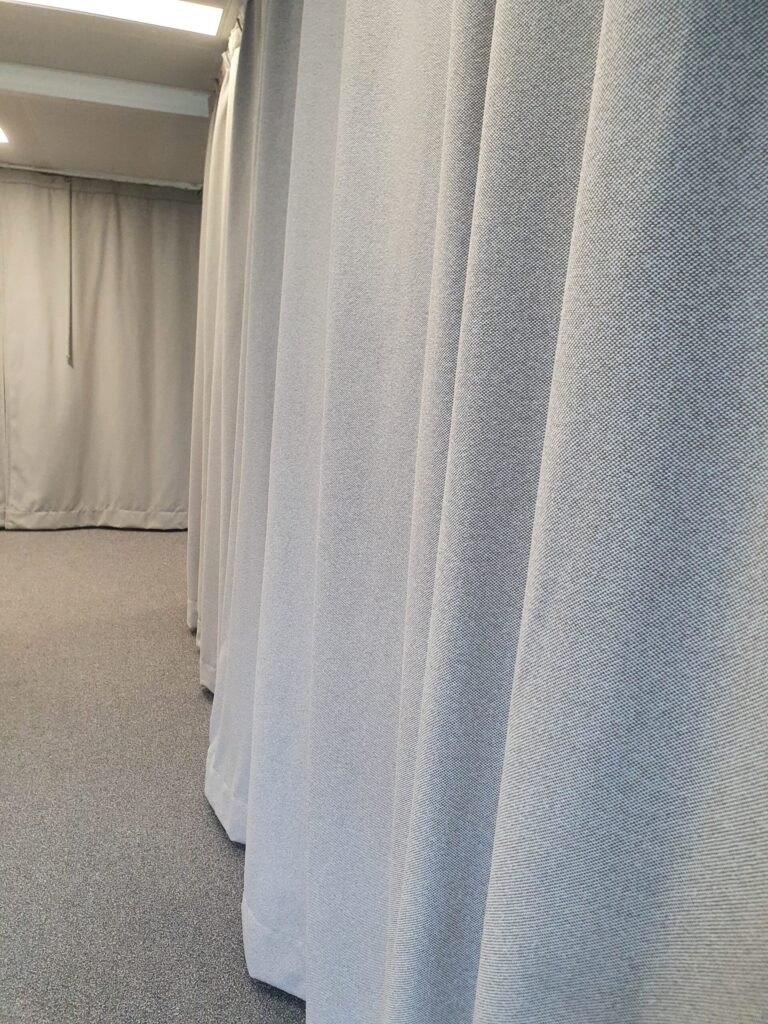
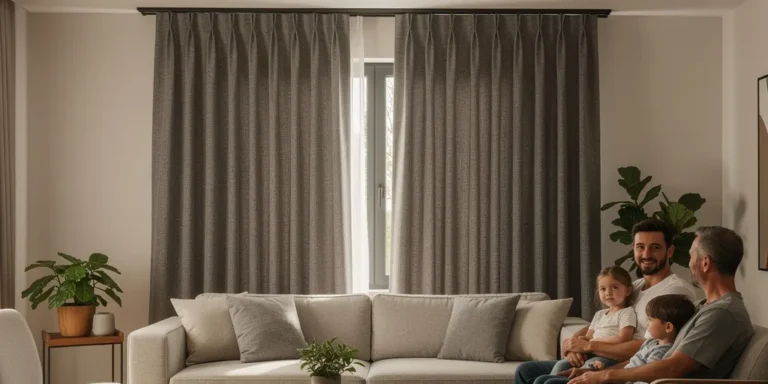
Insulation isn’t just a technical matter: it’s about transforming your home, making the hallway feel less cramped (or not), giving every corner a chance, and asking questions about space, light, and choices. And then there’s that silence—a promise kept. Just a quick aside: insulating means daring to listen to your home, reinventing your space, and proclaiming loud and clear the art of living. We recommend installing custom thermal curtains.
The context and issues behind the walls
Are you aware of just how effective thermal curtains are? We come and go, almost forgetting that walls are alive, breathing—or rather, letting in, sometimes a little too much, their share of heat and noise. Who hasn’t cursed that draft sneaking under the door or that icy chill clinging to your feet, even under the carpet? Older homes, however, are unforgiving. Worn-out roofs, porous walls, no insulation. Is this just the way it has to be? Not really. Insulation changes everything: it refuses to let a single calorie escape, maintains a stable temperature, and breathes new life into every room. Goodbye to cranked-up radiators: for once, the comforter can stay put in bed.
Why does heat escape?
A house that shivers or sweats always starts with walls that are too thin or roofs that are on their last legs. Heat escapes, air seeps in, and comfort goes out the window. Interior insulation takes over: it regulates, blocks, and traps heat in the winter, and sends it back outside when the temperature soars. Bare feet, then, can roam freely without a care, no matter the season.
What are our goals and direction?
It’s no longer just about gaining a few degrees, but about transforming the very essence of housing. We’re no longer talking about square footage, but about quality of life. Thermal comfort takes center stage, energy efficiency is highlighted during showings, and heating bills shrink on the due date. A better EPC rating, points for resale value, less condensation, and better soundproofing. Insulation isn’t just a layer of wool sandwiched between two panels—it’s a revolution in everyday life.
Space, budget, and those buildings that just won’t give in
Money, always money—but that’s not all. Space matters; every centimeter sacrificed can turn a hallway into a narrow passageway. Stone, brick, old-fashioned moldings… Some materials are finicky and don’t take kindly to DIY projects. Between financial incentives (thanks to MaPrimeRénov’ and the eco-PTZ) and sacrificing floor space, the debate rages on. Older homes dictate their own pace, their own style, and their own set of tricks.
The three key criteria: gut feeling or numbers?
Nothing is simple, nor is it black and white. Walls follow only their own rules. Insulation is all about compromise, ingenuity, and trial and error. A material that seems promising can fall short in real-world conditions, where moisture lurks or pipes rust. Conversely, an unassuming underdog can save the day in winter.
Thermal resistance and phase shift: a battle beneath the surface
Who really understands the famous lambda value? Glass wool makes promises, wood fiber intrigues, and polyurethane struts its stuff like a champion. But thickness isn’t everything: resistance is the key—the speed at which heat escapes or is blocked. And then, when summer comes, “phase shift” changes the game: the longer it is, the cooler the interior stays. Wood fiber and hemp wool excel at this. Mineral wool, on the other hand, remains the simple, reliable, accessible choice… Sometimes practical, sometimes grim, but always effective—at least on paper.
| Material | Lambda value (W/m·K) | Thermal resistance (per 10 cm) | Estimated phase shift |
|---|---|---|---|
| Glass wool | 0,035 | 2,85 | Medium |
| Wood fiber | 0,038 | 2,63 | Okay |
| Polyurethane | 0,022 | 4,50 | Low |
Thickness: A Space to Share
The age-old dilemma: sacrifice some space to stay warm, or keep every square foot even if it means shivering? The market is flooded with compact insulation products—more expensive, sometimes clever, sometimes disappointing in old buildings that hate moisture. It’s hard to decide. We dream of having it all, without giving anything up. Dilemma, always.
The budget: compromise or gentle madness?
Crash: a quote comes in. Mineral wool, a budget-friendly option; wood fiber, whose price is skyrocketing; and polyurethane, the market’s rock star. Government assistance eases fears, we scrape together subsidies, but the calculation spans ten years. Is paying a little extra today worth a worry-free winter down the road? Often, yes. Reducing the long-term cost is the real pleasant surprise of spring.
And what about the planet?
Bio-based, recycled, eco-friendly… The labels keep piling up, but it’s the effort that counts, too. Who hasn’t cursed glass wool, dust all over their hands, and a construction site that makes your throat itch? A healthy material, easy installation, a clean worksite—and suddenly, Sunday is filled with pride. Insulation brings new meaning to “homemade.” Fresh air, a soft silence. Priceless.
Put theory into practice and step into the real world of construction sites.
Housing and Its Challenges: The Reality on the Ground
Whether it’s an old ramshackle house or smooth concrete, every wall tells its own story. “In an old house, nothing is quite the same as elsewhere.” Dampness, lingering moisture—the wall needs to breathe rather than suffocate under plastic.
| Wall type | Recommended insulation | Comments |
|---|---|---|
| Ancient stone | Wood fiber, hemp fiber | Master of humidity and summer comfort |
| Concrete | Polyurethane, polystyrene | Delivers high performance in a slim design |
| Hollow brick | Glass wool, rock wool | Good value for money |
You’ll find recycled cotton wool in the attic, cellulose wadding in the renovated farmhouse, and polystyrene in the brand-new tower. Always the right solution, never a one-size-fits-all approach. The choice is shaped, room by room, according to needs, worries, and evening dreams.
Voices from the field: calm and grounded
An expert remarks, “Polyurethane is quick, but not very eco-friendly.” One family buries the dust from glass wool, while others praise hemp: no odor, no noise, a cozy, cocoon-like feel. Success, however, depends on careful installation and attention to detail. A double layer, perfect insulation—and then the magic happens: a peaceful home, full of pleasant surprises, and silence restored.
Want to give it a try? The questions lurking in the background
How thick should it be? Eight to ten centimeters to exceed R = 3.7, but those who are sensitive to heat add a little more. Nature is beautiful, but the bill adds up. Assistance is always available, though sometimes it comes with a lot of paperwork. A process that takes some getting used to: a solid estimate, well-planned installation, and, preferably, a no-frills tutorial.
Cotton Silence Pro : rideaux qui rafraîchissent (et coupent le bruit)
Chez Cotton Silence Pro, c’est la canicule qui cogne à la porte, mais c’est le rideau qui répond. On déroule, on ferme, la lumière se fait douce, la chaleur reste dehors, parfois on oublie même qu’il fait 38°C dehors (bon, presque).
This multi-layered fabric, like a clever mille-feuille, blocks out the sun, insulates against noise, and is a breeze to install—no lengthy instructions required. Sometimes I think curtains should also filter out Zoom meetings. In the evening, we draw the curtains, and everything feels lighter, cooler, more… quiet.