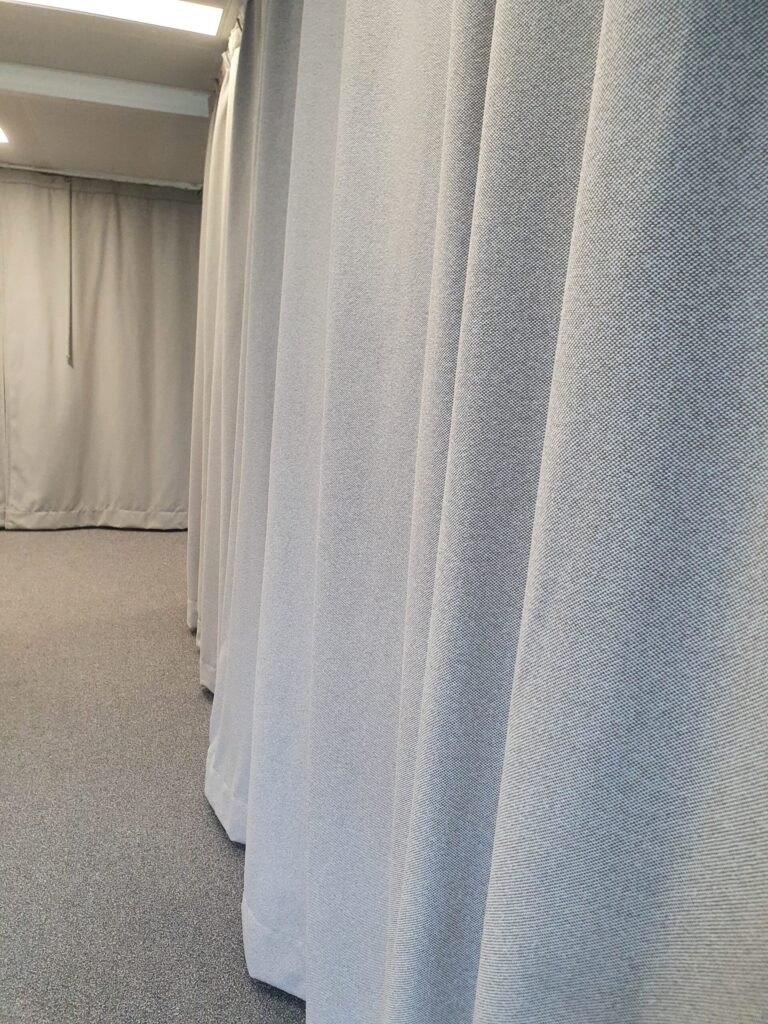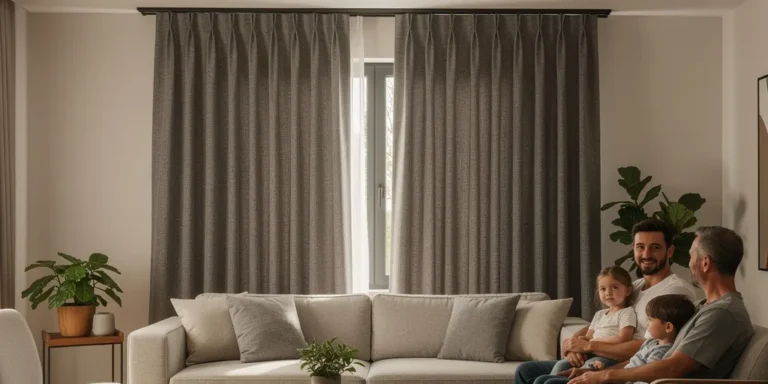

When summer temperatures rise, keeping your home cool can be a challenge. Thermal curtains offer a practical solution for blocking heat and maintaining a comfortable temperature. Unlike window films or roller shades, these curtains are easy to install and suit any interior. Their insulating design limits heat transfer, thereby reducing the use of air conditioning and lowering energy costs.
The thermal curtain: an effective barrier against heat
A thermal curtain is made of insulating fabrics that block some of the sun's rays. Thanks to its multi-layered construction, it acts as a thermal barrier, preventing outside heat from entering and inside cool air from escaping.
Unlike blinds or heat-blocking films, these curtains serve a dual purpose: in the summer, they help keep the temperature from rising, and in the winter, they prevent heat loss. They can be installed quickly, improving insulation without requiring major construction work. This option is particularly well-suited for renters or anyone looking for a flexible, reversible solution.
The Benefits and Limitations of Thermal Curtains
The benefits of an insulated curtain
A well-chosen thermal curtain can lower the indoor temperature by several degrees. Its thick fabric and reflective layers block UV rays, protecting furniture and textiles from fading. By limiting heat gain, these curtains reduce the need for air conditioning, helping you save energy.
For optimal efficiency, we recommend choosing a custom-made thermal curtain that fits the window perfectly and minimizes heat loss. This type of curtain also provides better sound insulation, helping to create a more comfortable and quiet environment.
Another major advantage is that they can be installed quickly and without any construction work. Compatible with all types of windows, they attach to a standard curtain rod without requiring any special modifications.
To ensure a good finish and secure installation, it can be helpful to follow a few specific guidelines on howto install curtains. By choosing the right height and spacing, you not only enhance the room’s appearance but also improve the curtain’s thermal efficiency.
The drawbacks to consider
The effectiveness of thermal curtains may be limited if windows are exposed to strong sunlight. In such cases, combining them with blinds or shutters can improve thermal protection. The choice of material is crucial, as some fabrics provide better insulation than others.
Finally, these curtains can reduce the amount of light in a room. To avoid this drawback, it is recommended to choose models with thin insulating linings, which filter heat without darkening the space.
Combine thermal curtains with other solutions for greater efficiency
To maximize your home’s thermal insulation, combine your thermal curtains with other solutions such as blackout shades or exterior shutters. This dual-layer approach blocks heat transfer even more effectively, especially for windows that receive a lot of sunlight. This combination also reduces energy consumption by limiting the use of heating in the winter and air conditioning in the summer.
What are the best materials for optimal thermal insulation?
Velvet and fleece: fabrics with excellent insulating properties
Velvet and fleece are among the most effective materials for thermal insulation. Their thick fibers trap air, creating a barrier against temperature fluctuations. These fabrics are particularly well-suited for large windows, where heat loss is greater.
Aluminum and reflective linings
Some thermal curtains feature an aluminum layer that reflects heat outward. This technology improves thermal performance while maintaining a certain lightness. Models with reflective linings are particularly effective in hot regions with intense sunlight.
Comparison of thermal performance by material
| Material | Thermal insulation | Weight | Impact on brightness |
|---|---|---|---|
| Velvet | ★★★★☆ | High | Moderate |
| Fleece | ★★★★★ | Medium | Low |
| Aluminum + fabric | ★★★★☆ | Lightweight | Low |
| Treated polyester | ★★★☆☆ | Lightweight | Moderate |
How to Choose the Right Thermal Curtain?
Key criteria
To ensure optimal efficiency, several factors must be taken into account. The thermal absorption coefficient (αw) is used to assess the curtain’s ability to block heat. The higher this coefficient, the better the insulation.
The number of layers also plays a key role: a multi-layered curtain will provide better insulation than a single-layer model. Finally, the aesthetic aspect should not be overlooked. A high-performance curtain should complement the interior decor while providing effective thermal protection.
Comparison of the Best Models
| Material | Easy to install | Average price |
|---|---|---|
| Velvet | ★★★☆☆ | €60–€250 |
| Fleece | ★★★☆☆ | €50–€230 |
| Aluminum | ★★★★☆ | €80–300 |
Fleece curtains provide the best thermal insulation, while those with an aluminum lining offer a good balance between lightness and effectiveness.
Cotton Silence : a high-end solution for optimal thermal comfort
Cotton Silence stands out for its innovative thermal curtains, designed with patented multilayer technology. Unlike traditional models, these curtains do more than just retain heat; they provide dual thermal insulation and soundproof. Thanks to this advanced design, they help create a more comfortable indoor environment, both in summer and winter.
During the summer, these curtains significantly reduce heat by blocking the sun’s rays before they enter the room. This ability to limit heat buildup reduces the need for air conditioning, resulting in significant energy savings. In the winter, their insulating design prevents heat loss, maintaining a stable temperature without overusing the heating system.
In addition to their thermal performance, these curtains feature high- soundproof e insulation, capable of reducing ambient noise by up to -31.4 dB. This feature is particularly valued in urban environments, where external noise pollution can interfere with daily comfort.
Made in France, “ Cotton Silence ” curtains combine exceptional craftsmanship with high-end materials. Available in over 70 colors, they complement both modern interiors and more classic styles. By choosing these curtains, both homeowners and professionals benefit from an attractive, high-performance, and durable solution that ensures optimal comfort year-round.
A more comfortable home all year round thanks to thermal curtains
Thermal curtains offer an affordable and effective solution for improving the thermal comfort of a home. The choice of material and style greatly affects their performance. With options such as fleece or aluminum, it is possible to find a curtain suited to the specific needs of any home.
Cotton Silence offers a high-end alternative that combines thermal insulation, noise reduction, and a sleek, stylish design. Choosing a high-performance curtain ensures a cooler interior in the summer and a warmer one in the winter, without the need for major renovations.