What You Need to Know About Wall Insulation soundproof
- soundproof insulation transforms a simple wall into a barrier between the outside world and your cozy home, providing comfort, quiet, and sometimes even a renewed sense of privacy.
- Diagnosis, material selection, meticulous installation: it all comes down to the details—from listening for noise and hunting down flaws to that subtle touch of craftsmanship that permeates every finish.
- The magic of the result lies in the joy of a spacethat is finally quiet: whether it’s rock wool, wood fiber, or foam, each solution represents its own small victory over persistent noise.
We all dream of a home where sleep isn’t interrupted by neighbors arguing, where the bedroom doesn’t vibrate to the sound of the piano upstairs, and where the muffled noise—that constant reminder of communal living—no longer has a hold on us. Yet the magic often hinges on a single barrier: the wall. Or how a few centimeters can, at times, change everything.
The need for effective soundproof insulation with an acoustic curtain then becomes vital—almost a matter of acoustic survival: reducing noise, mitigating the impact of neighbors, and reclaiming a space where comfort goes hand in hand with inner silence. Because there’s much more to gain than just acoustic comfort: soundproof insulation also creates a haven of well-being and concentration—and, why not, a real boost in privacy.
Acoustic Diagnostics: The Art of Tracking Down Noise
Should you just go for the best wall insulation soundproof ? Some people think so, but that’s never the best solution. Because before you stick an insulation panel on the first wall you come across, you need to listen. What’s the real culprit? Loud voices, airborne noises traveling through the partition, impacts that shake the living room table, or muffled vibrations: each type of noise requires tailored insulation—a network of custom-tailored solutions. Sometimes all it takes is a closer look: a poorly sealed surface, a loose baseboard, or an outlet acting as a sound box. Fascinating, yet sometimes frustrating: the diagnosis is the moment when a home’s acoustics reveal their secrets. Noise plays tricks on us, but the solution often lies in the details: figuring out whether the shared wall is made of concrete, brick, or a lightweight partition is already a step in the right direction.
Every surface, every floor, every door, and every ceiling can become the number one weak spot—and when it comes to this, there’s no room for half-measures. Anyone who wants to win the battle against noise must first assess their surroundings, even if it means pulling out a decibel meter on a simple smartphone. Measure, identify, and estimate—and suddenly, victory seems within reach.
Solutions for insulating an existing wall: between dream and reality
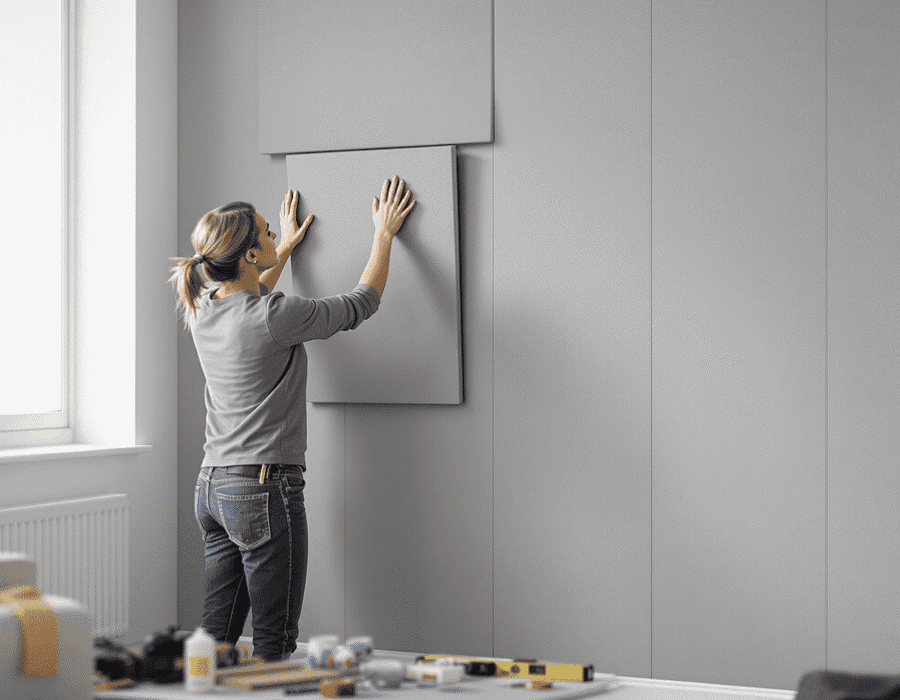
Installing insulation is anything but a mechanical task. With a little energy and some improvisation, the market now offers acoustic panels, foams to be glued or injected, and linings mounted on metal or wood frames that transform a room without tearing everything down.
It’s not a revolution, but some panels make you forget the original wall and reduce noise levels by 5 to 20 decibels: you’ll notice the difference from the very first night. Just stick on some acoustic foam? Fast and effective—the false wall is a dream come true for those prioritizing sustainability. Studs, mineral wool, drywall soundproof —and you’re all set, or almost: you gain acoustic comfort and sometimes even thermal comfort.
- Whether it’s a quick installation or a large-scale project, there’s something to suit every budget—especially if the goal is simply to limit noise transmission without sacrificing too much space
- Innovative materials? Hemp, expanded cork, and wood fiber are gaining popularity, especially among those who dream of a bio-based, contemporary interior
- The combination of style and soundproofing is no longer a pipe dream: certain panels add an aesthetic touch that plays with both light and sound waves
soundproof foam—a simple and inexpensive solution—is gaining popularity, especially for quick installation on existing walls. Should you opt for bonded lining or add a new layer of rigid plaster? We’re taking efficiency to the next level and redefining the concept of comfort. Acoustic renovation leaves no room for half-measures, but it offers a multitude of options for those willing to take on the challenge.
The smart choice of wall insulation material: a matter of compromise
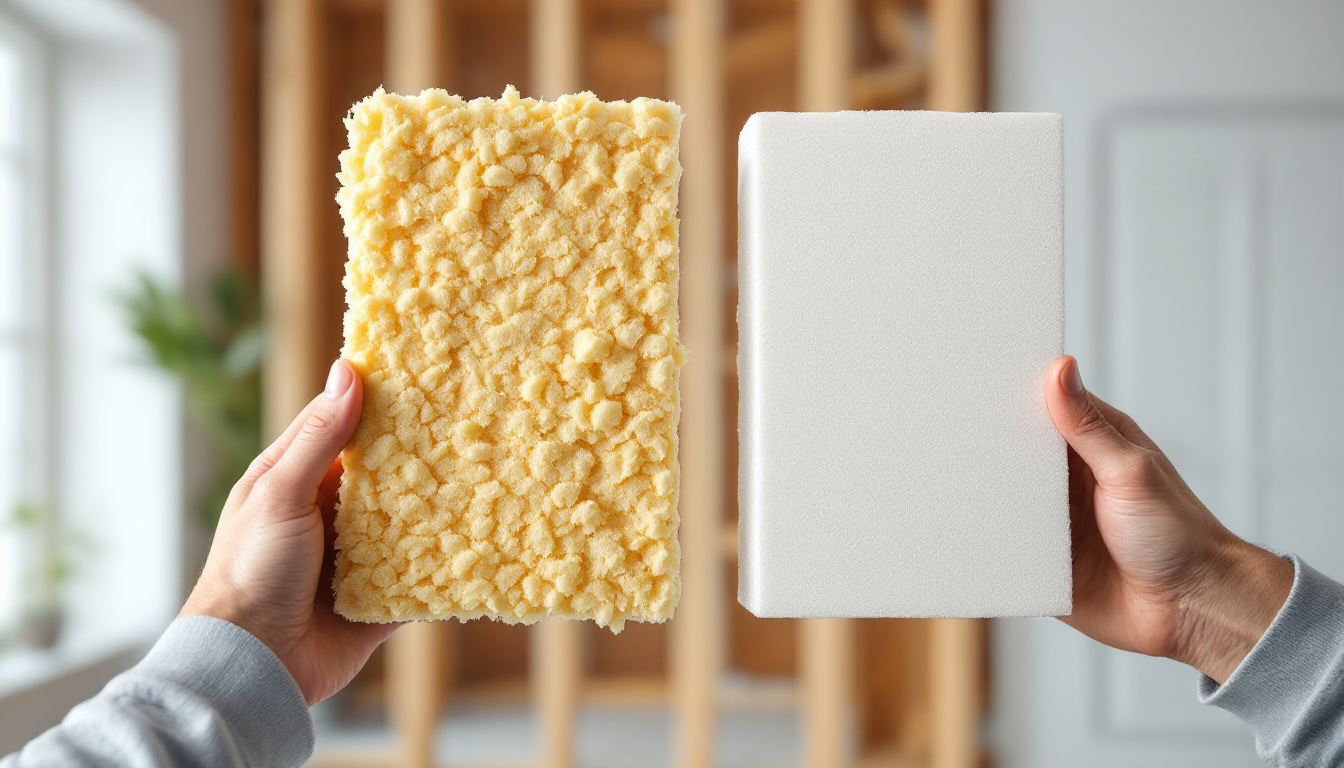
In a world where the range of options is constantly expanding, choosing the ideal insulation has become quite an adventure. Soundproofing, reasonable thickness, affordability, environmental friendliness, and thermal comfort: these are the pitfalls to avoid and the trade-offs to accept. Some prefer rock wool or mineral wool, which are effective and easy to install, while others are enthusiastic about cork, a natural and high-performance material, even if the cost is higher.
Thickness makes a difference, and so does mass: you can’t get around the law of mass when it comes to dampening noise propagation. And then, it’s impossible to ignore the trend toward bio-based materials: wood fiber, sheep’s wool, and cellulose wadding are popping up everywhere, sometimes installed with adhesive, sometimes as rigid panels. But for those who want proven results: mineral wool, “ soundproof ” drywall, or sandwich panels remain the top choices for professionals.
The real advice? Test it on a small area and evaluate the results room by room. This isn’t just a renovation project—it’s a work of craftsmanship. The goal is to feel like you’ve truly improved the insulation soundproof —not just to make a splash with empty promises.
Steps for Successful Insulation at soundproof : There's No Need to Rush
Preparing the surface is the foundation: clean, fill in any holes, and inspect every crack and joint. Electrical outlets, baseboards, and overlooked corners: these are all potential pathways for sound waves and noise. Patience is essential during installation, especially when applying adhesive-backed insulation or installing a metal-framed partition wall: wool, plaster—everything must be installed with meticulous care. Flexible joints, acoustic tape—these small details are what distinguish average insulation from high-performance insulation.
Never cut corners when it comes to finishing touches. Windows, light switches, corners—everything must be sealed. Choose the right fasteners and the right products, and don’t hesitate to ask a professional for advice. Insulation isn’t something to rush: one oversight, and the problem will resurface without warning.
The result is worth the effort: a kitchen where the neighbors’ music no longer seeps in, a bedroom transformed into a cozy retreat. Modern luxury? A room that’s completely soundproof.
Real-life experiences, practical tips, and advice on how to insulate properly
So many stories to tell. That resident of a row house who, thanks to a rock wool/drywall lining soundproof, reduced noise levels in the bedroom by 15 dB. That DIY enthusiast who, for 30 euros per square meter, rediscovered silence. A single panel, a careful installation, and everything changes. The kitchen, the bathroom, or the guest room: every space has its own story, its own type of wall, and its preferred insulation. No one ever said peace and quiet couldn’t be bought: it can certainly be calculated, but above all, it’s best appreciated once it’s in place.
To estimate costs: online simulators, customized quotes, financial assistance (ANAH, group projects), and directories of RGE-certified professionals. There’s no shortage of resources: guides, video tutorials, and ADIL fact sheets. The key is to never feel like you’re facing a wall all alone.
Want to turn this existing wall into a true acoustic barrier? Be bold, compare options, experiment, bring acoustic comfort into your home, and restore the wall’s noble role as a guardian of peace and quiet. Here’s a life-changing solution that doesn’t require tearing down what’s already there.
soundproof -Wall Insulation Panels
| Material | Thickness (mm) | Noise reduction (dB) | Price per square meter (approximate) | Comment |
|---|---|---|---|---|
| Rock wool | 45 to 100 | +10 to +20 | €10 to €20 | Good performance against airborne noise |
| Cellulose wadding | 50 to 100 | +8 to +18 | €15–€25 | Eco-friendly insulation, available in bulk |
| Drywall soundproof | 12.5 | +3 to +8 | €7–€15 | Use with insulation for greater efficiency |
| Wood fiber | 20 to 60 | +7 to +15 | €12 to €30 | Excellent noise control, bio-based |
| Acoustic foam | 25 to 50 | +5 to +12 | €8–€18 | Easy to install, ideal for quick installation |
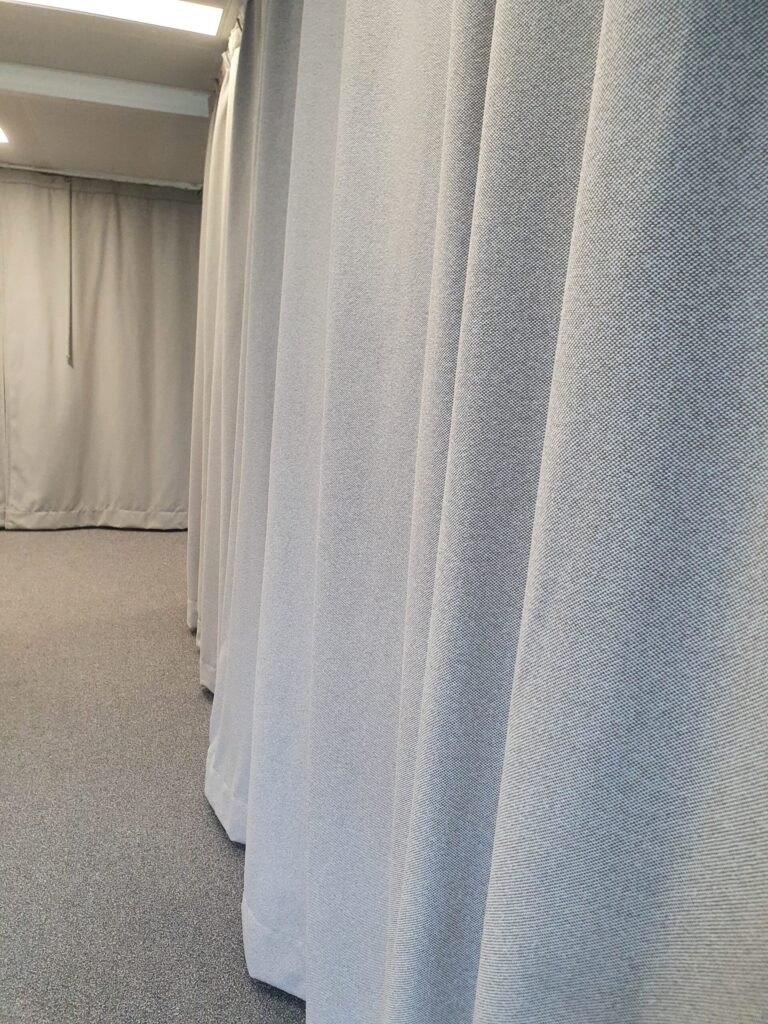
Cotton Silence Pro: When Silence Takes the Form of a Curtain
Sometimes, all we want is a little peace. The kind of silence that absorbs the street, that makes those annoying conversations behind the partition disappear. Cotton Silence Pro didn’t invent the idea of muting the sound, but let’s just say they redesigned it as a curtain.
Seven layers to make the outside world fade away, and suddenly the studio (or bedroom, or restaurant, or meeting room) becomes an acoustic cocoon. Are we talking about ecology, design, sustainability? Yes, but above all, we’re talking about a curtain that delivers on its promise: complete silence, even when the city is roaring.
Guidelines for soundproofing a wall
How do you soundproof an existing wall?
A wall is sort of like a boundary between two worlds—one that’s sometimes too porous, especially when noise passes through it. Soundproofing an existing wall without tearing everything down often involves a patchwork of tried-and-true tricks. Decorative acoustic panels offer understated glamour: you install them, and they add style while absorbing sound. soundproof ’s drywall panels adhere directly to the wall and block out sound completely. Craving a touch of nature? Cork and wood fiber are here to help—little pieces of the forest to shield you from the outside clamor. It’s hard to imagine how just a few centimeters of these materials can transform a room. The noise fades away. Silence returns.
How can I soundproof a wall easily?
Soundproofing a wall easily is almost like a bit of magic, but there are a few secrets to it: mineral wool, for example. It may look like big clouds ready to tame noise, but it simply lines the wall and absorbs vibrations. Another option: acoustic insulation panels. Neither too technical nor too intrusive, they absorb sound and limit noise propagation—a nearly invisible task. You install them, slam the door, and… oh miracle, the echo is gone. Sometimes, all it takes is the right material to let the room breathe again, far from the outside commotion.
What is the best insulation— soundproof —for a wall?
So, what’s the best insulation soundproof for a wall? It’s hard to say for sure, but phenolic foam stands out from the rest. This material, which is both unobtrusive and incredibly effective, dampens noise like an invisible barrier. It serves a dual purpose: it keeps the heat out and blocks sound. A wall lined with phenolic foam offers modern comfort, tranquility, and almost the feeling of having built an invisible mini-fortress. In practice, very few sounds manage to get through. Daily life flows smoothly, free from noise disturbances. Phenolic foam is, in a way, the bulwark of discerning interiors.
How can I soundproof my interior wall against noise from my neighbor?
Noise from the neighbors—that auditory scent wafting from the other side of the wall—has a way of invading the evenings (and sometimes the nights). To restore peace, the best solution remains a soundproof partition. A metal frame is installed and secured to the floor (and ceiling), and the space created is filled with mineral wool or any other fibrous soundproof e insulation. This isn’t science fiction, but rather a technique that carves out silence between you and your neighbor. Suddenly, the laughter, the TV, and the life next door fade away—or almost do. Installing this barrier is like giving the wall a second skin. Serenity returns, quite simply.